Questions, answered straight.
Manufacturing automation questions
we hear most.
What systems do you integrate with?
Whatever you already run. On the inventory and production side that includes systems like Fishbowl, Unleashed, Cin7, Katana and MYOB Advanced; on the accounting side Xero, MYOB and Reckon; plus your carriers and web store. Most modern systems expose an API, and where one does not, import/export layers or direct database reads usually cover the same ground. We confirm exactly what your stack exposes during the audit, before anything is quoted.
Do we have to replace any of our current systems?
No, and that is the point. Rip-and-replace ERP projects are how manufacturers lose a year. We build the automation around the systems you already own and keep your accounting package as the source of financial truth. Where two of your systems already have a native integration, we keep it as the backbone and automate the checking, the exceptions and the data it does not carry.
What does order-to-production automation actually look like?
An order arrives and is validated against your catalogue, pricing and the customer's account. The work order is raised in your inventory system against the right BOM, components are committed, and production sees the job in the schedule. Paperwork, batch records and labels generate from the same data. The office finds out about problems, like a component shortage, from an alert at order time rather than from the factory floor two days later.
Can you automate freight booking and carrier selection?
Yes. NZ carriers and aggregators expose APIs for exactly this: Mainfreight's API creates consignments, generates labels, returns freight estimates and provides tracking, and aggregators like GoSweetSpot and Starshipit do the same across multiple carriers. We automate the choice of carrier by lane, weight and service level, generate the consignment when the job is packed, and then reconcile the carrier's invoice against the quoted rate, which is where most freight overspend hides.
We manufacture chemicals. Can you handle dangerous goods requirements?
We automate the paperwork, and your compliance rules stay your compliance rules. In practice that means dangerous goods declarations, safety data sheet references and batch documentation are generated automatically from product data you have signed off, rather than assembled by hand for every consignment. The system never invents a UN number or a classification; it fills documents from your approved data and flags anything missing for a person.
What does manufacturing automation cost in NZ?
A one-off build cost per workflow plus a small monthly fee for hosting, monitoring and support. We quote after an audit rather than off a rate card, because the right scope depends on your order volume and how many systems are in the chain. Most clients start with the single worst gap, usually order entry or freight reconciliation, prove the saving, then extend. We only recommend a build where the hours it recovers clearly outweigh the cost.
Will this disrupt production while it rolls out?
No. New automations run in shadow mode first: the system does the work in parallel while your team keeps doing it the current way, and we compare outputs until the numbers match, the same way our stock reconciliation builds settle in before anyone relies on them. A person signs off anything consequential until you decide otherwise, and every automated action is logged so it can be audited or reversed.
Who builds and supports it?
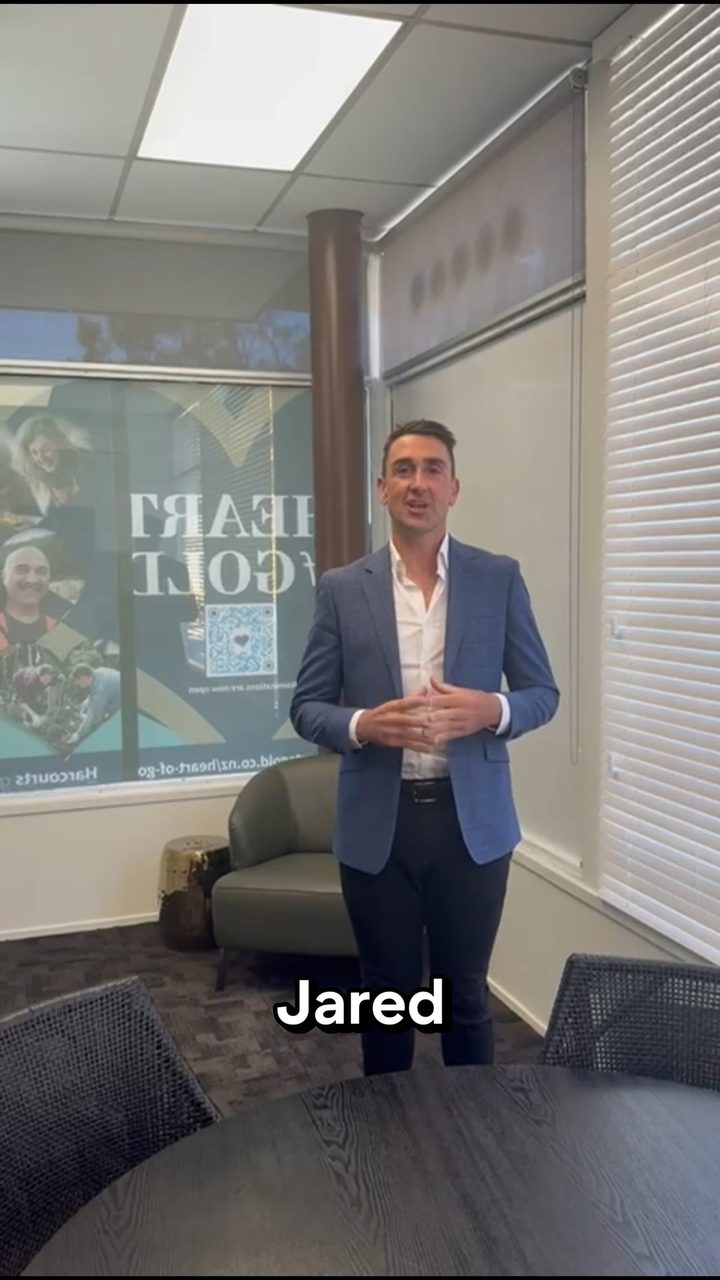
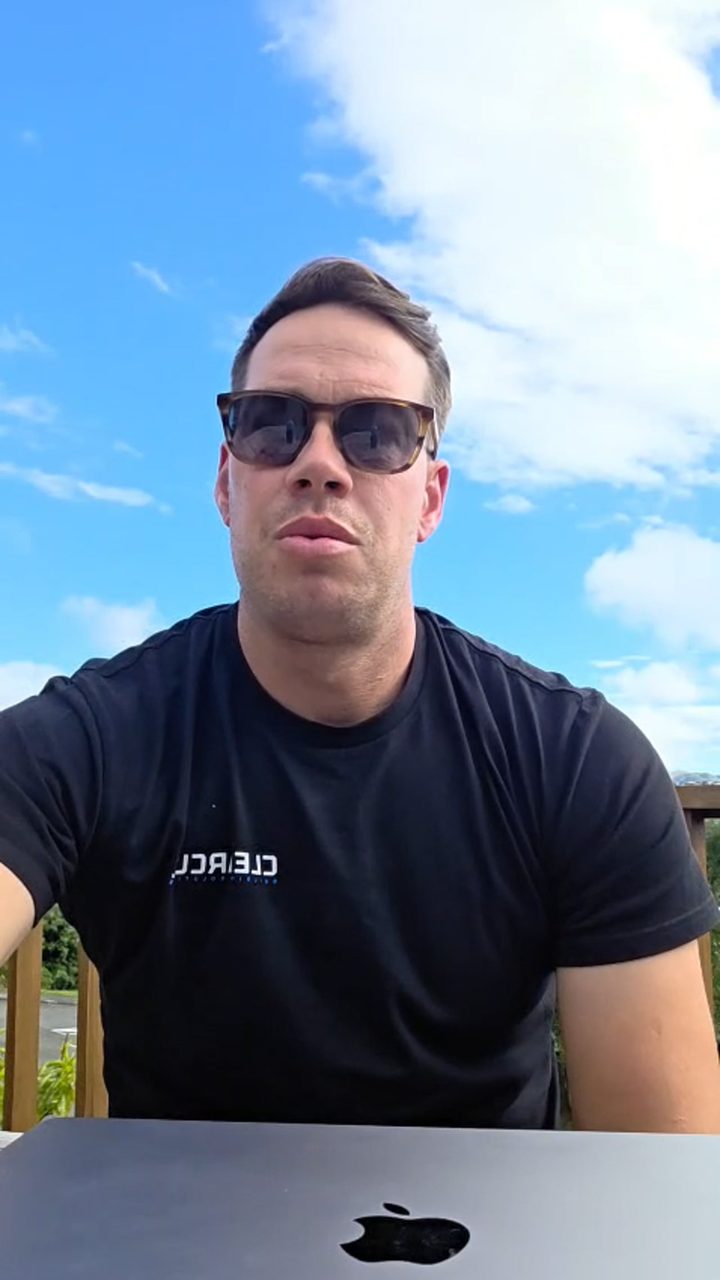
The two of us. Jarod Bunning, a mechatronics engineer who previously engineered control systems for automated production equipment at Fisher & Paykel Healthcare, and Jared Lean. We scope, build and support every project personally, so the person who wired your systems together is the person who answers when you want it changed.