

Quick answer: business automation means using software and AI to handle the repetitive work in your business automatically. Answering calls, chasing invoices, requesting reviews, confirming payments. Done well, the first automation pays for itself within weeks.
This is a practical guide to business automation in NZ, written for small business owners rather than IT departments. It covers what automation actually is, what to automate first, what it costs, and a simple test for whether it will pay off in your business. Everything here comes from systems we have built for real Kiwi businesses, from Wellington plumbers to lead-generation companies.
What's in this guide
What Business Automation Actually Is
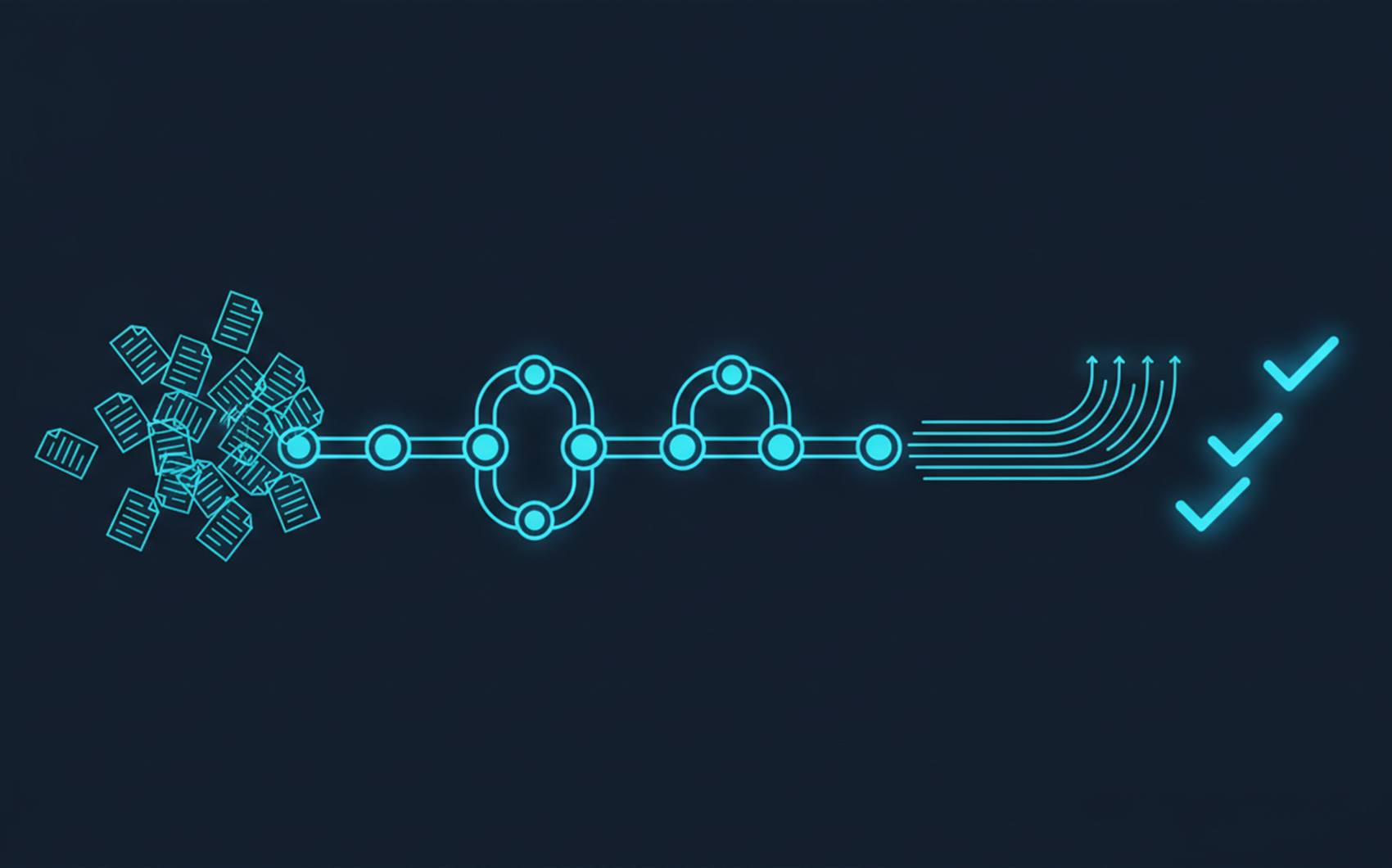
Strip away the jargon and automation is simple: software that does a repetitive job the moment it needs doing, without anyone remembering to do it. The phone gets answered at 9pm. The review request goes out when the invoice is paid. The deposit confirmation lands in the customer's inbox before they think to ring and ask.
Regular automation vs AI automation
Regular automation follows fixed rules: when X happens, do Y. That covers a surprising amount of admin. An AI automation business system goes further and handles judgment: holding a natural phone conversation, qualifying a lead, or deciding whether an incoming call is a customer or a cold caller. Most small businesses end up with a mix of both, and increasingly a third layer, generative AI that drafts the reports and documents a team used to write by hand.
- Calls answered and jobs booked, 24/7
- Quotes, invoices and follow-ups sent on time, every time
- Review requests and payment confirmations that send themselves
- Spam and junk filtered out before it reaches you
What to Automate First (and What to Leave Alone)
Start where the money is already leaking. For most Kiwi small businesses that is not some futuristic use case, it is the boring stuff below.
| The daily leak | What automation does instead |
|---|---|
| Missed calls while you're on the tools | An AI receptionist answers, qualifies and books the job |
| Forgetting to ask happy customers for reviews | A branded review request sends when the invoice is paid |
| "Did my payment go through?" phone calls | Instant payment confirmations from your own address |
| Spam and cold calls tying up the line | Junk is filtered before it ever connects |
| Slow follow-up on new enquiries | Every lead gets contacted within seconds |
These are not hypotheticals. We built the review and payment system for a Wellington plumbing company on their existing Fergus account, and the call filtering for a lead-generation business drowning in spam calls. Both run hands-free.
What to leave alone
Anything that genuinely needs your judgment, your relationships or your trade skills. If an idea sounds impressive but would not change your day-to-day operations, it is probably not worth automating yet. The right first project is the one that removes a job you already hate doing.
"Their systems genuinely transform the way you work. My only regret is not listening to them sooner."


What It Costs and a Simple ROI Test
The honest answer: it depends on what you automate, and anyone quoting a price before understanding your business is guessing. The better question is what the problem is currently costing you. That number is usually bigger than owners expect.
The five-minute ROI test
Take one leak and put numbers on it. How many calls do you miss a week? What is an average job worth? How many of those callers ring the next business instead of leaving a voicemail? Harvard Business Review found that businesses responding to a lead within an hour are around 60 times more likely to qualify it than those that wait a day. Speed is the whole game, and speed is what automation is best at.
Start with one automation
You do not need a grand digital transformation. Pick the single worst leak, automate it, and measure for a month. If it pays for itself, do the next one. If it does not, you have lost very little finding out.
Why Choose Fiord AI for Business Automation
Our business automation services cover the full journey: an audit of how your business runs, a build shaped around the tools you already use, and support from the same two people who scoped it.
What sets us apart
- Two founders, end to end: no handoffs, no junior staff learning on your dime
- Built on your existing tools: Fergus, your CRM, your inbox, your calendar
- Honest advice: if something will not move the needle, we will tell you and suggest what will
Frequently Asked Questions
What is business automation?
Using software and AI to handle repetitive tasks automatically, such as answering calls, sending invoices, requesting reviews and confirming payments, so your team does not have to do them by hand.
How much does it cost for a small business in NZ?
It depends entirely on scope, which is why we start with an audit rather than a price list. Most small business automations are scoped so they pay for themselves within weeks by capturing missed leads and cutting admin hours.
Do I need to replace my existing systems?
No. Good automation sits on top of the tools you already run. The PipeX system was built entirely on their existing Fergus account, with nothing new for the owner to manage.
What is the difference between regular automation and AI automation?
Regular automation follows fixed rules, like sending a confirmation when a payment lands. AI handles judgment, like holding a phone conversation, qualifying a lead or spotting a spam caller that has never been reported before.
How long does it take to set up?
Simple automations go live fast. The PipeX review and payment system was live within about a week of go-ahead, and it can be paused or adjusted with one message.